

The zeitgeist shifted this week. Millions of people opened their eyes and realized something big was happening.
This has massive implications for not just the global economy, but how people find meaning in life.
I’m referring, of course, to when looksmaxxing streamer Clavicular was “brutally frame mogged” by a “frat leader” at ASU.
As of the time I’m writing this, tens of millions of people have watched this “mogging”:


But where others see a tragedy, I see an opportunity.
Mogging could be the solution to what people will do once AI makes millions of jobs obsolete while also initiating deflation-driven superabundance.
First, for those of you that didn’t spend the 2010s in bodybuilding forums and are totally lost, I’ll translate what happened in the above clip.
Mogging is slang for outshining, dominating, or looking significantly better than someone, originating in PUA, redpill and fitness culture before its usage broadened. So “frame-mogging” in the viral post refers to the “frat leader” (a hilarious characterization in and of itself) having a wider, more muscular frame.
In a way, mogging is the perfect encapsulation of what human achievements won’t be replaced by AI. Mogging requires people to meet in person, a shared physical space, and status rather than material constraints.
Mogging is competitive scarcity. Even in a world where physical resources are infinite, status will still be finite.
The Post-AGI Mog Economy
What if mogging could be the answer to questions about meaning and employment in a post-AGI world? Could you build an entire economy around mogging?
Imagine millions of men using post-AGI abundance to spend their days training in the gym, mewing, and optimizing their peptide stacks. Underground mogging rings would pop up to host mog-offs and establish a ranking. Top ranked contenders might travel the world seeking each other out for mog-offs like some sort of anime.


But why limit ourselves to appearance mogging? Some people might choose to train their vocal chords daily to voice-mog. Others might train grip strength to handshake-mog. There’s no shortage of niche physical traits or skills that people can devote themselves to training.
The mog economy would be built around a never ending series of increasingly obscure competitions and status games.
Why AI Can’t Mog
The beauty of these sorts of competitions is that they stay the same, no matter how good AI gets.
AI will be able to do any number of things better than humans, but when it comes to status, competitions and “mogging”, it won’t matter. It’s been 30 years since the first computer beat a chess grandmaster. In that time, chess has actually increased in popularity. People play and watch chess because it’s a test of human cognitive abilities. It doesn’t matter if a computer can do it better.
Millions of people watch the 100-meter dash at the Summer Olympics, despite the fact that cars, horses, and bicycles can all go faster. The drive towards excellence and pushing oneself to the limit is an achievement in and of itself.
AI can one-shot apps, solve unsolved math problems, and make physics discoveries. But it can’t mog.
Abundance and Status
In a world of extreme abundance, people will occupy themselves with status games.
There’s no shortage of air, an essential material for human survival. In the United States at least, potable water is basically free (for the amount you’d need to survive). Even starvation is extremely rare in the developed world. Millions of people are already living in a post-scarcity world for the bottom rung of Maslow’s Hierarchy of Needs, excluding shelter.
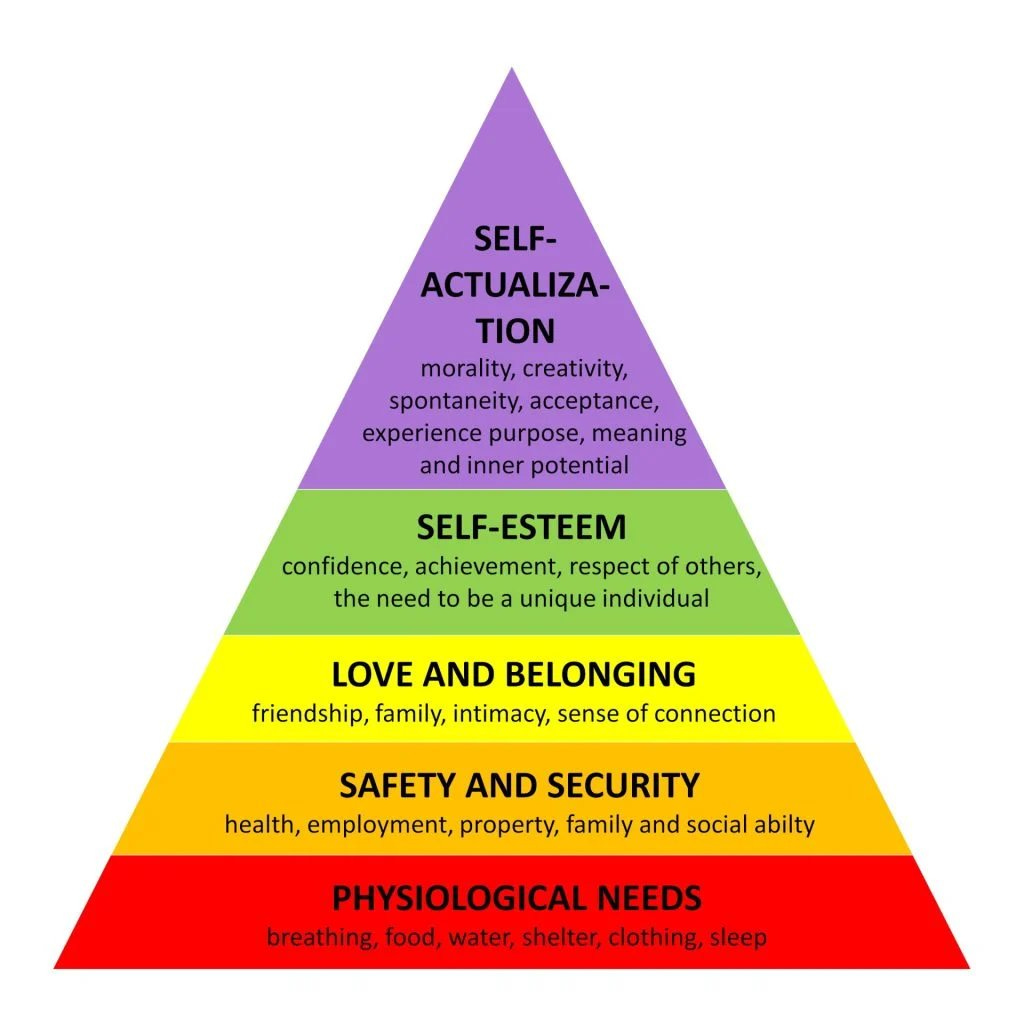
But let’s assume for the sake of argument that AI will solve any lingering issues with physiological needs, while solving health issues and causing deflation across a range of goods. That still leaves self-actualization, self-esteem, and love and belonging. These higher-order needs can’t be satisfied by material abundance alone — they require social comparison, recognition, and competition. In other words, they require mogging.
Beautiful Mice and the Post-Scarcity
We actually have experimental evidence for what happens when material needs are fully met. The famous “Universe 25” mouse experiment tested what mice would do in a utopia with no shortages of food, water, or nesting material. A human providing mice all materials to live might be the best analogy to an AGI providing humans all materials to live.
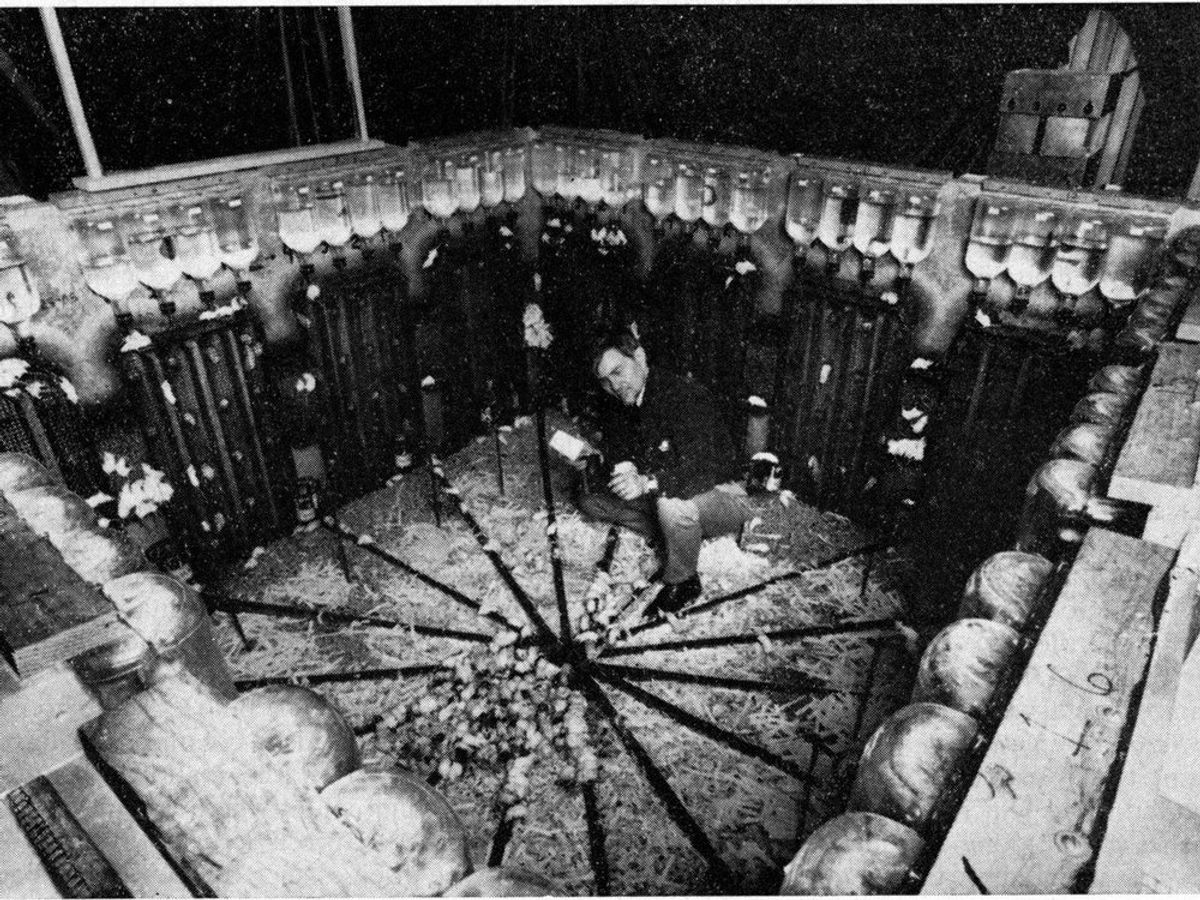
So what happened in Universe 25? As population density grew, a group of mice, dubbed “the beautiful ones” retreated to the edges of the habitat and spent all their time grooming themselves. Maybe something in mammalian instincts drives us to looksmax when all needs are met.
(Many other things happened in Universe 25 that might be worth learning from, like a complete collapse in birthrate.)
We don’t even need to look at mice to see this pattern in action. Many people already live in a post-scarcity world. Billionaires, old money families, European aristocrats, trust fund kids.
What do they choose to do?
Oftentimes the answer is pursue status, whether that’s through athletics, government, luxuries, accolades, art, or media. Even jobs at a certain level are more about status than survival. Remember the business card scene from American Psycho?
In elite professions, the many trivial (but undeniably human) details that go into getting an edge in status occupy an increasing portion of people’s lives.
My friend rektdiomedes recently summed this up:

In a world where everything is automated, the only scarce resource left is being better than the person next to you. Everyone is wondering what we’ll do in a post-AGI economy. Maybe the answer has been standing in front of us the whole time. We’ll mog.


